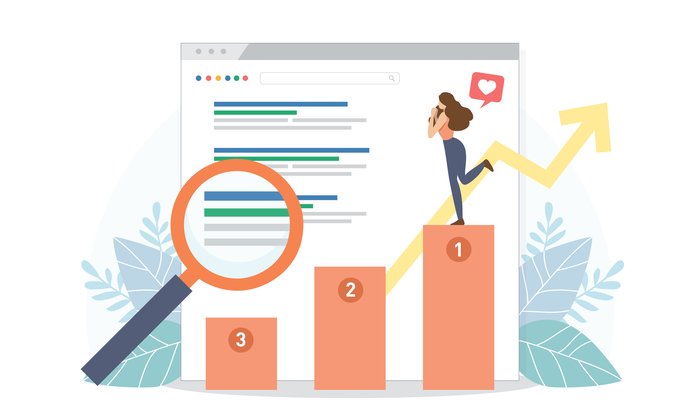
IN-DEPTH GUIDE TO CLICK-THROUGH OPTIMIZATION (CTO) IN INFOGRAPHIC FORM
In today’s digital marketing landscape, the importance of click-through optimization cannot be overstated. It’s the bridge connecting your online ads, emails, or search engine results to actual user engagement, conversions, and ultimately, revenue. An infographic about this topic aims to distill complex strategies into a visual, easy-to-understand format, but understanding the core principles requires a detailed, comprehensive explanation.
WHAT IS CLICK-THROUGH OPTIMIZATION (CTO)?
Click-through optimization refers to the systematic process of enhancing elements—such as headlines, call-to-action buttons, images, and overall layout—so that they entice users to click. Unlike broad SEO tactics, CTO zeroes in on the user’s immediate decision-making process. It’s about making each element in your digital asset irresistible enough to prompt the desired action—be it clicking a link, signing up for a newsletter, or purchasing a product.
WHY IS CTO ESSENTIAL?
In the crowded digital space, capturing users’ attention is more challenging than ever. Every second, countless competitors vie for the same clicks. Therefore, optimizing for click-through rates (CTR) becomes pivotal. High CTR not only boosts your website traffic but also improves your quality score in paid advertising platforms like Google Ads, reducing costs and maximizing ROI. Moreover, it signals to search engines that your content is relevant, further improving your organic reach.
KEY ELEMENTS OF AN EFFECTIVE INFOGRAPHIC ON CTO
Creating an engaging infographic involves combining visual storytelling with strategic content. Here are crucial components:
- Clear, Compelling Headlines: Headlines should be concise yet powerful enough to pique curiosity. Use active language, numbers, or questions to spark interest immediately.
- Effective Call-to-Actions (CTAs): CTAs like "Download Now" or "Get Your Free Trial" must be visually prominent, persuasive, and aligned with user intent.
- Visual Hierarchy: Use size, color, and placement to guide viewers' eyes through the information naturally, emphasizing the most critical points.
- Color Psychology: Colors evoke emotions and influence behavior. For instance, red can create urgency, while blue conveys trust.
- Concise Content: Keep information brief but impactful. Use bullet points, icons, and illustrations for quick comprehension.
STRATEGIES FOR OPTIMIZING CLICK-THROUGH RATES
Now, delving into specific tactics, the infographic should highlight the following:
1. Crafting Irresistible Headlines
Headlines are your first impression. Use power words, emotional triggers, or numbers. For example, "5 Proven Ways to Boost Your CTR Today" promises value and specificity. Moreover, incorporate keywords naturally to align with user intent and search queries.
2. Designing Engaging Visuals
Visuals significantly influence user behavior. Use relevant images, icons, and infographics to make your message more digestible. For example, a simple arrow pointing to the CTA increases click likelihood by guiding the viewer’s attention.
3. Optimizing Call-to-Action Buttons
CTAs should be clear, concise, and prominently placed. Use contrasting colors to make them stand out and action-oriented language to motivate clicks. For instance, instead of "Submit," use "Get Your Free Guide Now."
4. Utilizing Social Proof and Trust Elements
Incorporate reviews, testimonials, or trust badges. They reduce hesitation and increase confidence, leading to higher click-through rates.
5. A/B Testing
Always test different versions of headlines, visuals, and CTAs. Small changes can significantly impact CTR. Use data to refine your approach continually.
6. Leveraging Personalization
Personalize messages based on user behavior or demographics. Personalized content resonates more deeply and encourages clicks.
7. Improving Page Speed and Mobile Responsiveness
A slow-loading or poorly optimized mobile page can kill your CTR. Ensure your landing pages load quickly and are mobile-friendly.
8. Creating Urgency and Scarcity
Limited-time offers, countdown timers, or exclusive deals motivate immediate action.
THE PSYCHOLOGY BEHIND CLICK-THROUGH OPTIMIZATION
Understanding user psychology is crucial. People are driven by emotions, curiosity, and the desire for instant gratification. Effective CTO taps into these drivers. For example, using scarcity ("Only 2 seats left!") triggers fear of missing out, prompting users to click. Similarly, framing benefits clearly and vividly appeals to users' desire for solutions, making clicks more likely.
ANALYTICS AND MONITORING
Optimization isn’t a one-time task. Continuous monitoring using analytics platforms like Google Analytics or heatmaps reveals how users interact with your pages. Tracking metrics such as bounce rate, average time on page, and, most importantly, CTR helps identify bottlenecks or areas for improvement.
Regularly reviewing this data empowers marketers to tweak headlines, visuals, or CTAs, creating a cycle of continuous improvement. It’s also useful for understanding which channels (email, social media, search engine results) generate the highest CTRs, allowing for better resource allocation.
COMMON MISTAKES TO AVOID
Even with good intentions, many marketers fall into traps that hurt their CTR:
- Overloading pages with too many CTAs, confusing users.
- Using vague or generic headlines.
- Ignoring mobile optimization.
- Neglecting A/B testing.
- Focusing solely on traffic volume rather than quality.
Avoid these pitfalls by sticking to best practices, testing rigorously, and maintaining clarity.
FINAL THOUGHTS: THE POWER OF VISUAL STORYTELLING
An effective infographic on click-through optimization should combine compelling visuals with strategic insights. The goal is to guide viewers through the entire process—from understanding what CTO is, to implementing tactics, to analyzing results—creating a narrative that educates and motivates action.
By mastering the art of designing visually appealing, psychologically persuasive, and data-driven content, marketers can dramatically increase their CTRs. Not only does this lead to higher engagement, but it also paves the way for more conversions, customer trust, and long-term success.
In conclusion, click-through optimization isn’t just about tweaking small elements; it’s about crafting an integrated experience that resonates with your audience, aligns with their needs, and motivates them to act. Through continuous testing, understanding user psychology, and employing compelling visuals, you can turn your digital assets into powerful conversion engines.
این مطلب از سایت https://sitebazdid.ir باز نشر شده است .
مشاهده توضیحات بیشتر در سایت اصلی